Podcast: Play in new window | Download
Richard Wright | Episode 1231
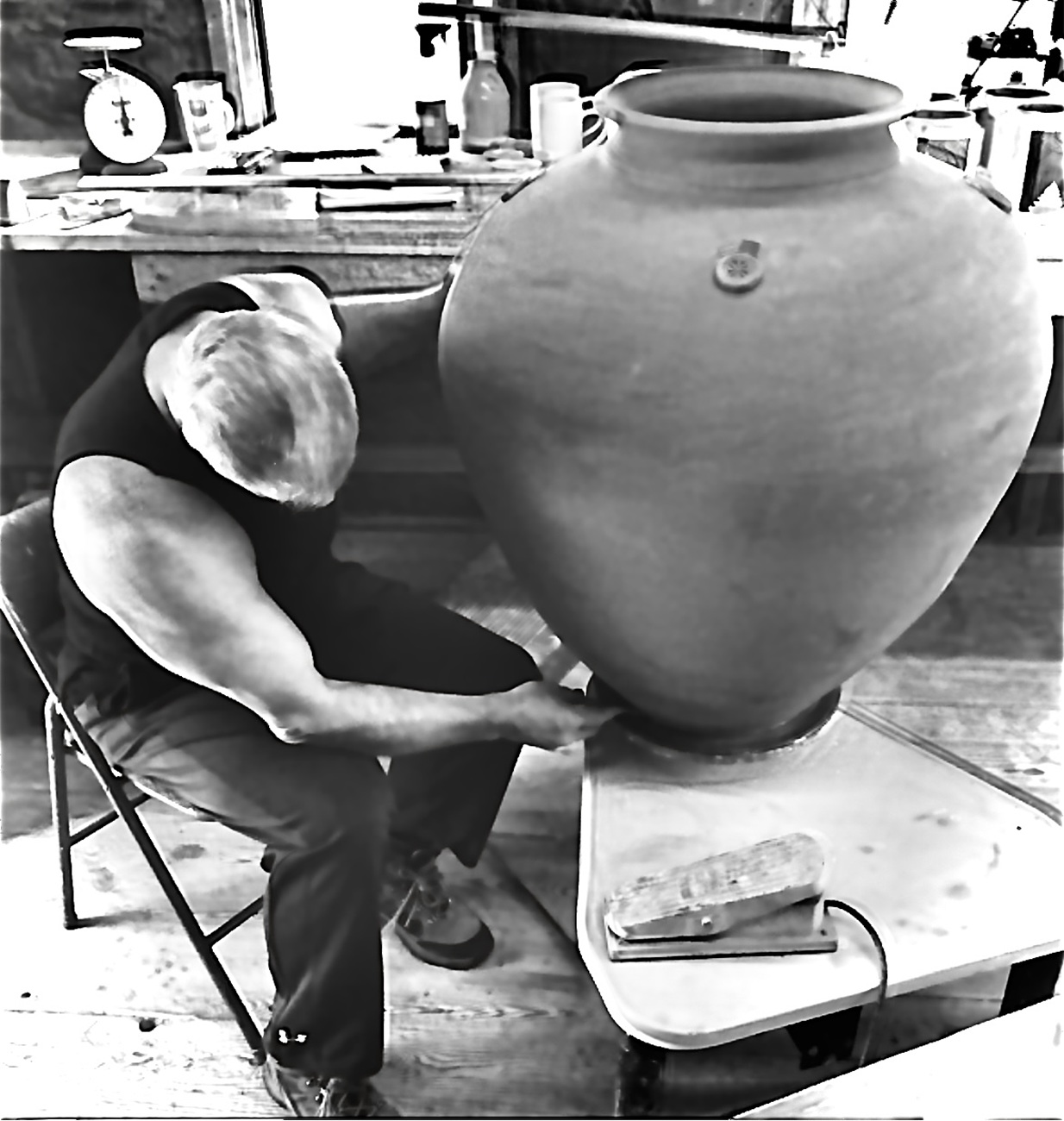
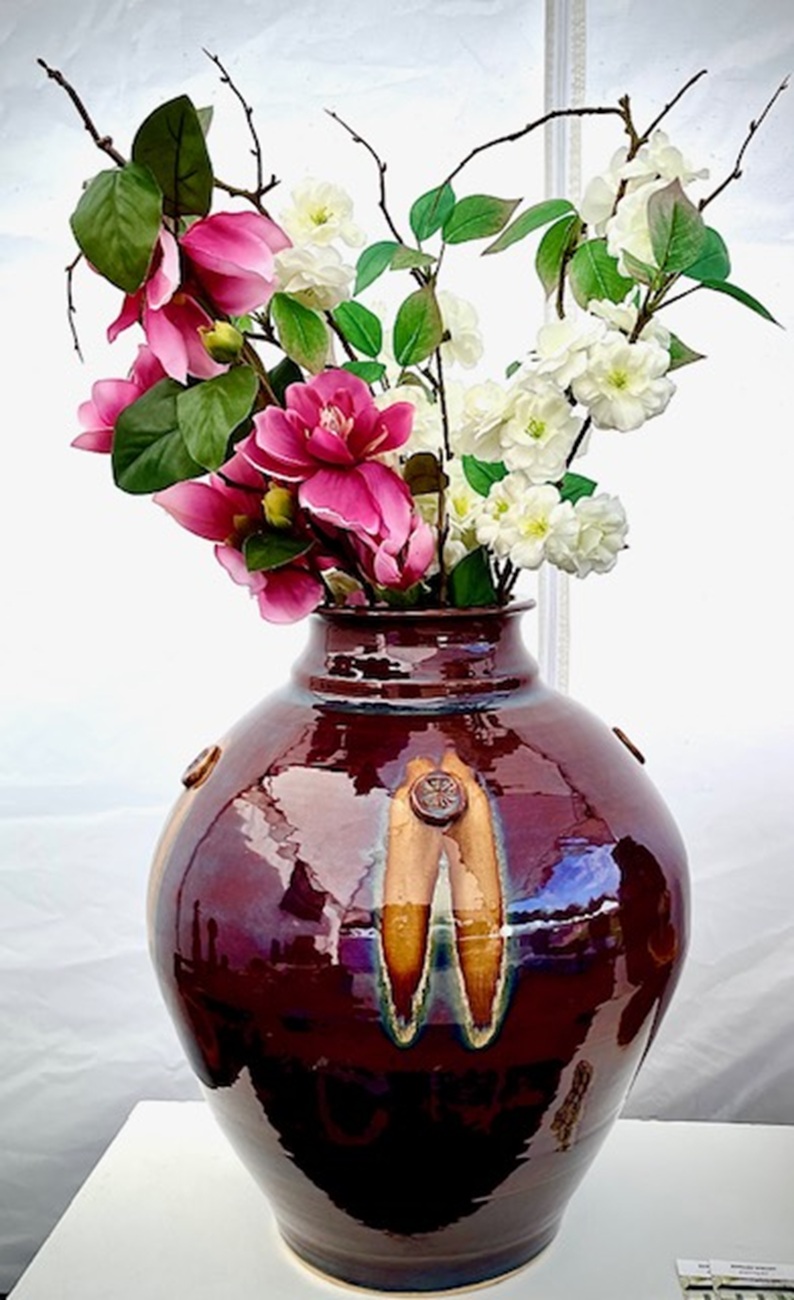
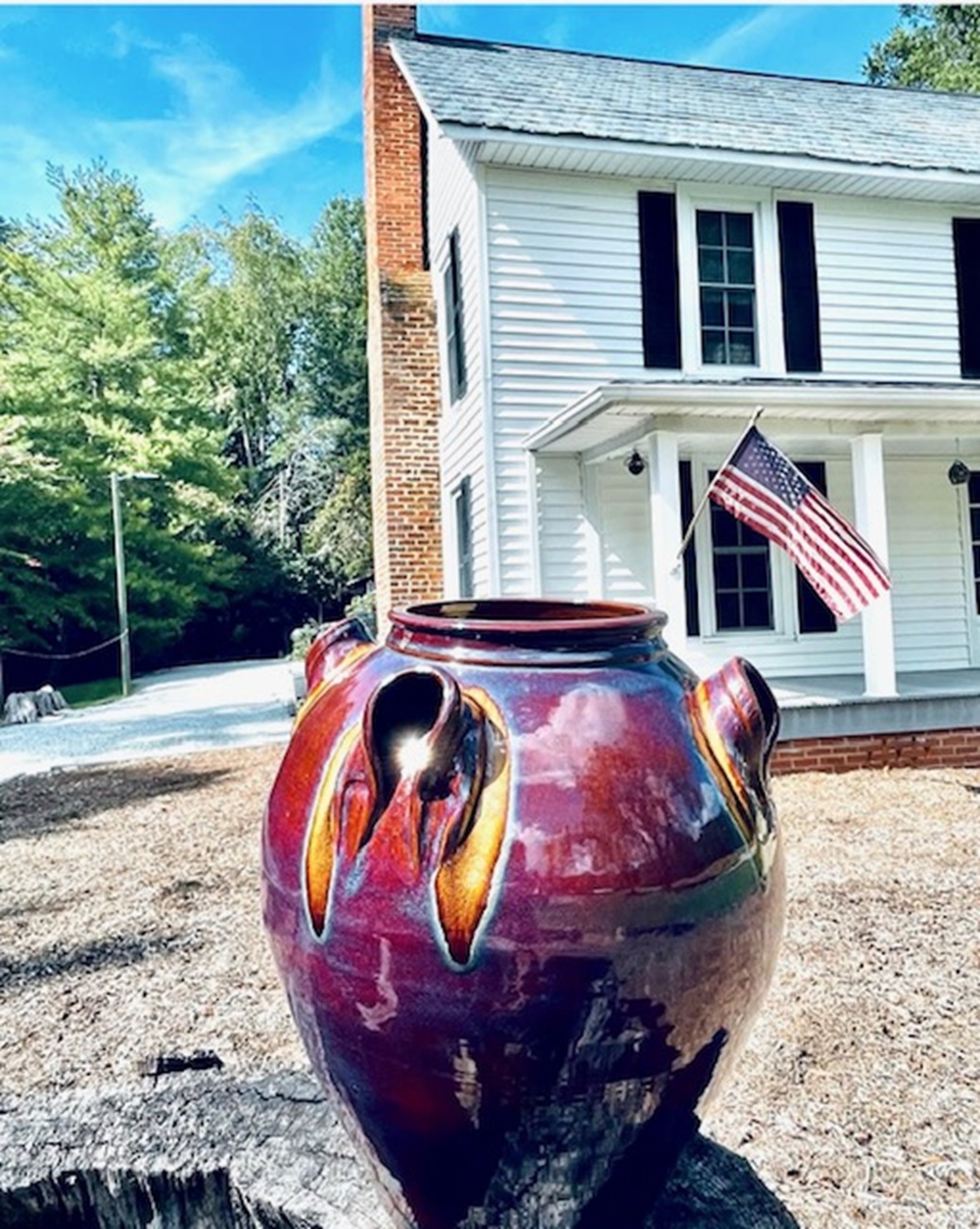
Richard Wright has made pots for 30 years. Living in Lenoir North Carolina, Richard is a full time potter. Previously a Physical Therapist, Richard continues to use his hands but in a more craft centered way. Richard’s work is considered Catawba Valley traditional pottery, where the potters use native clay with an attention to form. Richard lives with his wife of 29 yrs, has 3 children, and lives in a home from the 1800s.
Clay Call
 Lets hear from YOU! Click HERE.
SPONSORS
 You can help support the show!
 GRPotteryForms.com


Number 1 brand in America for a reason. Skutt.com

For all your ceramic needs go to Georgies.com
For those of us who’ve never actually gone out digging and looking for wild clay how do you locate clay to begin with?
Sure. So in North Carolina, there’s a lot of waterways and creeks and rivers in western North Carolina especially. So clay generally over time has situated and stopped in those areas and sediment has covered them up. So the way I started is Just taking a shovel out to some of those places, digging down 12 to 15 inches and trying to find that plastic type of clay that usually is a grayish tone. And from there, just bringing it back and trying to find out its composition, which is not that difficult. You can wrap it in a coil.
Okay, so you’d go find it by a riverbank, is what I heard you saying. How do you actually test it to see that it truly is clay and would be something useful for the kiln?
Yeah, so you can just, with a small batch, if it feels like it has some plasticity, and I turn everything on a wheel, so I’ll turn it on a wheel, and if it looks like it stands up decent, it may not need grog or sand and just test it in a little test. Go for a low temperature and then maybe the next week a higher temperature. Not too different from glaze experimenting.

I’ve heard this from other potters that they’ll get the clay and they’ll dry the clay 100 percent. Why is the drying process important?
Yes, so my clay is pulverized and I mix it with water and then I put it through a sieve that allows for me at least to ensure that there’s not some very large aggregates or particles that could break the clay once it’s fired. I think it’s more to do with just uniformity and standardization.
Once you’ve dried the clay, and pulverized it, why is crushing it, why does that stand, why is that an important part of the process?
Clay sometimes runs with silica. So you’ll have these crystals that might be a little bit too large. So pulverizing it, or at least drying it and sieving it, the next step I do is just I take some bed sheets and I have some very large drying racks outside. I just pour it in there, probably 1,000 pounds at a time, and it dries for a couple months. I pull it out, put it through an auger or hug mill, and then it’s ready to go.
Once you’ve slacked it down, how much water are you adding?
Yes, that’s a great question. So I add an excess amount of water and it’s kind of old school. I have this tractor supply 500 gallon feeding trough, which a lot of potters in the area use. I put extra water in it so it can be uniform. Then I wait a week and I just sieve off the top of that water until I get down to something that’s like a milkshake consistency.
You mentioned that you put it then into your pug mill. How important is it? I know for commercial clays, I will hear people say that they don’t even wedge their commercial clay. They just pull it straight out of the bag and start throwing with it. But when you work with wild clay, how much more critical is it to spend time wedging or pugging your clay?
Yeah, so for me, because it’s say 1000 pounds at a time, the edges of those drying racks might be more dry than the middle. So for me, it’s imperative because I like and most potters would want something uniform. That’s where the pug mill comes in. Once it’s pugged, I don’t even de-air it. I have de-airing, but mine’s like a dinosaur. It’s a small and a new one is on my wish list. I should have a really large pug mill for my operation because I do it full time. But it’s just a small bluebird that I’ve had that for decades. So but it’s important for me. Yeah, I don’t wedge it too much after that.
Once you’ve got your clay, how do you know if you need to add some kind of like a sand or another clay?
Yeah, I think it has a lot to do with just what you’re trying to make. If you’re making smaller pieces, you may not need as much grog. There are times when I have commissions that are really large, three, three feet by three feet. They really have to stand up pretty well. So I just go to Lowe’s hardware, I get play sand… very economical, very large grog, of course… but I put 10% of that in my my clay and it allows it to just stand up really well for large pieces. But it’s it’s really to your benefit just to know the size of pots you want to make and if you want to something that’s really hardy and stands up well. Adding grog certainly helps that.
Before you actually commit to making a run of pots, how important is it to have at least one test from each batch before you actually start going to town?
I think early on it was important and now full transparency I I have a a a recipe that I know a percentage of sand percentage of fire clay, and EPK. But I actually look at that every year and I will alter a couple percentages not knowing what it will do. And and that’s large batches! You know, that’s that’s a full year’s worth of clay. But I know it’s going to be good enough, but I just don’t know the subtleties that it’s going to result in. So I’m definitely not a perfectionist. I like to see where it goes with changing the percentages enough that it’ll make a difference, but it will still make good pots.
Book

Valley Ablaze by Jason Harpe and Brian Dedmond
Contact
Instagram: @richardwrightpottery