Podcast: Play in new window | Download
Marcos Modiano | Episode 1281
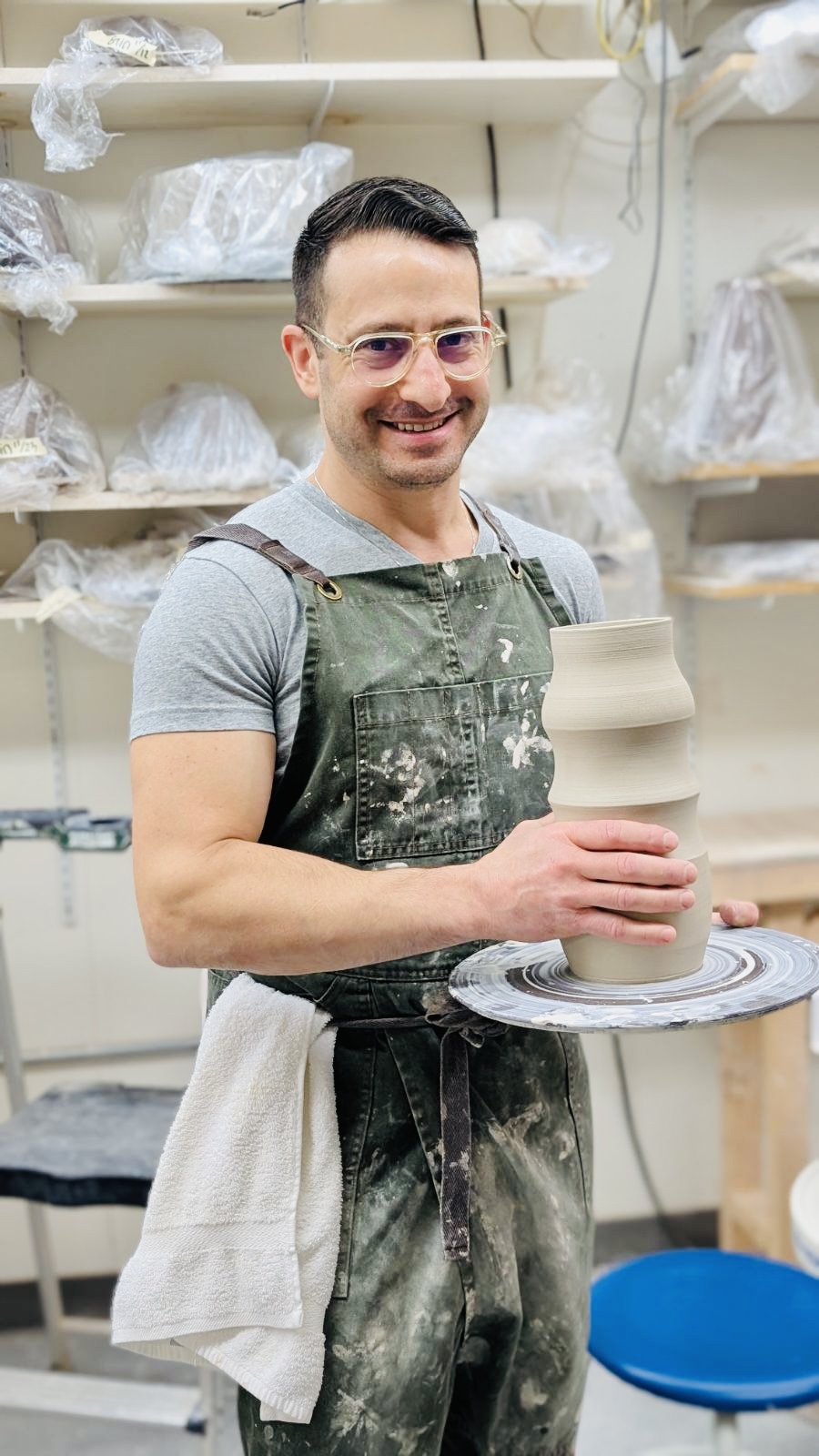
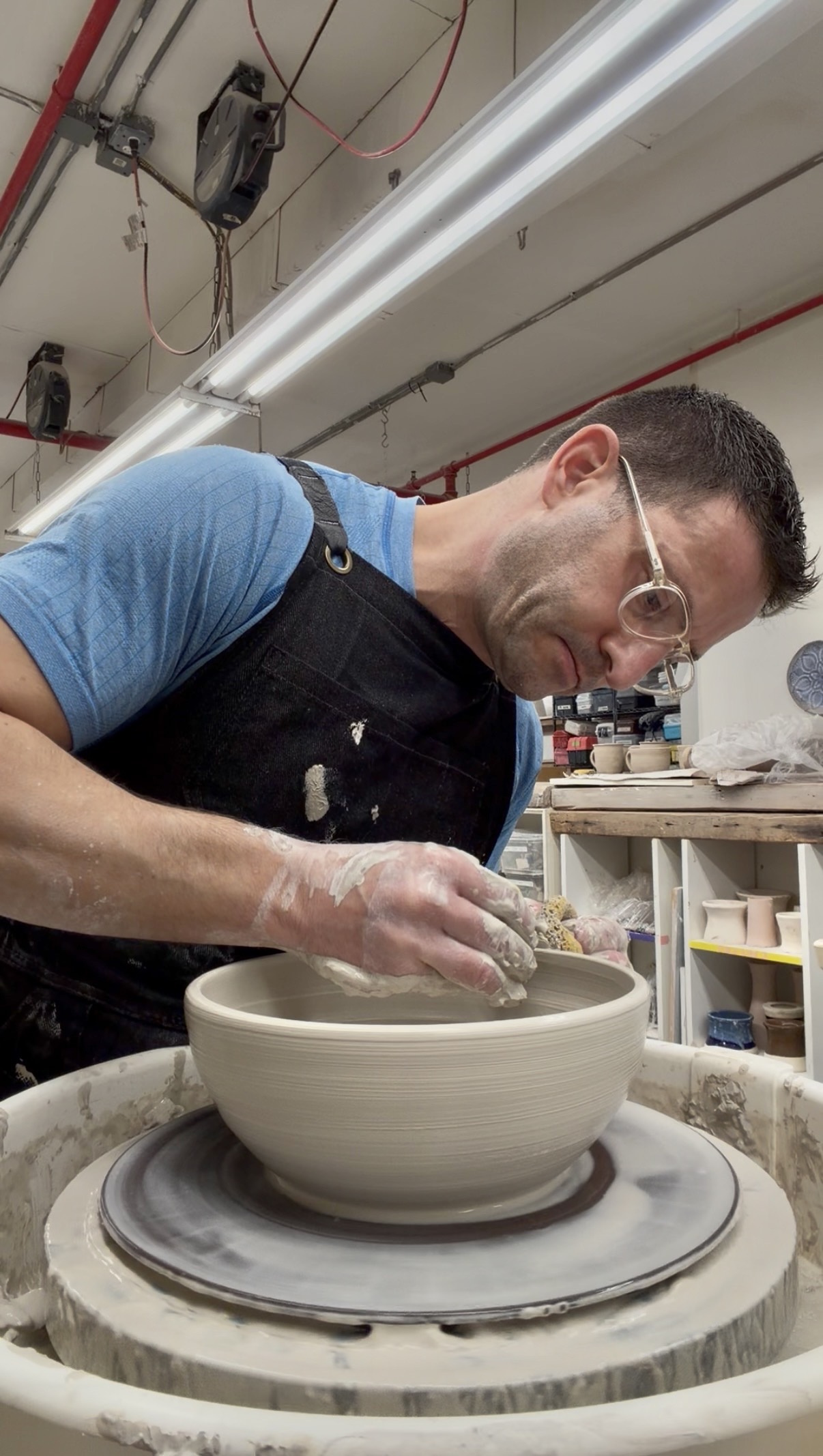
Marcos Modiano is a psychiatrist, neuroscience enthusiast, and ceramic artist based in NYC. Marcos loves exploring the connection between creativity, the brain, and mental well-being. When Marcos is not working in medicine, you’ll find him playing with clay, creating functional ceramics, and discovering how making things by hand can bring us closer to ourselves.
Clay Call
 Lets hear from YOU! Click HERE.
SPONSORS
 You can help support the show!
 GRPotteryForms.com


Number 1 brand in America for a reason. Skutt.com

For all your ceramic needs go to Georgies.com
Marcos, I just have to say that you are doing the world such a great service with your background and your knowledge of ceramics but also your knowledge of the mental health side of things. One of the posts that you made a little while ago on Instagram was about how many people think when you pull something out of the kiln or you turn the wheel off and that sudden you dislike the piece that you made. Other people might be completely happy with it, but our own hearts just start beating ourselves up about it. So I would like to go through your perspective of how to deal with this conflict that we deal with in our hearts and minds. So we will go through point by point of that post and get your insight. Here’s the first thing you said in that post: Your brain sees what you made and what you wish you had made.
Yes, so we have a vision in our heads of what we want to create. And very rarely it comes out the way that we imagine it. So we get disappointed. So that is the first reason why we may not be completely happy with what we made.
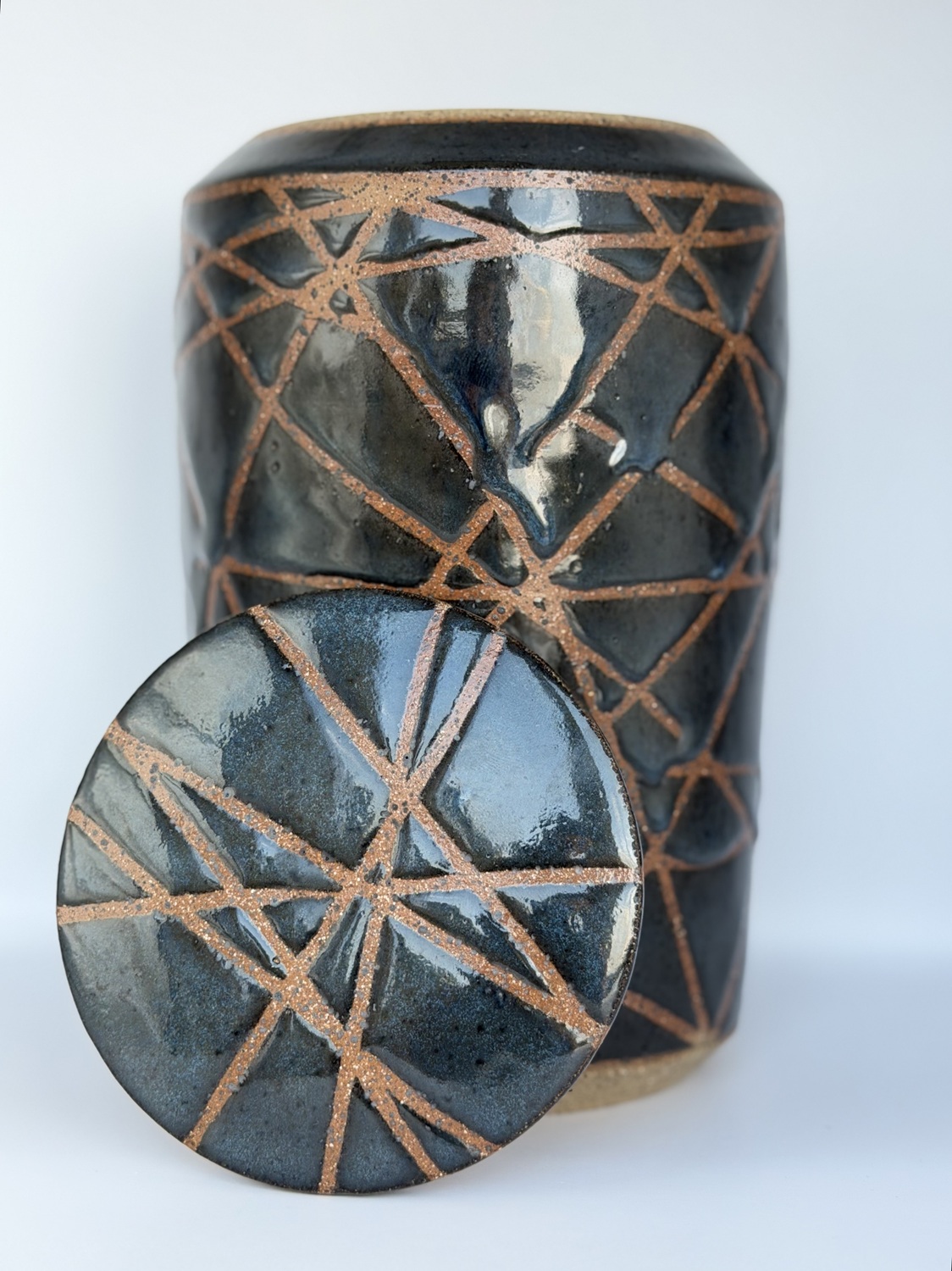
The next issue is… The inner critic. You know every single flaw.
Absolutely. When you are making something, you are aware of where you failed. You know if a piece was of center, you know if the clay rather was of center, you know where you put more pressure or less pressure. or where you use a rib where you shouldn’t have used a rib. So where the mistakes are.
Then you said, Negativity bias that your brain may give the flaws more attention than the beauty.
We all do that. It’s part of being human. we tend to stand in front of the mirror and look at ourselves and find the flaws, rather than actually finding the things that make us who we are, that are positive. It’s the same with art, it’s the same with what we create. So we overlook the beauty and we overthink the negative.
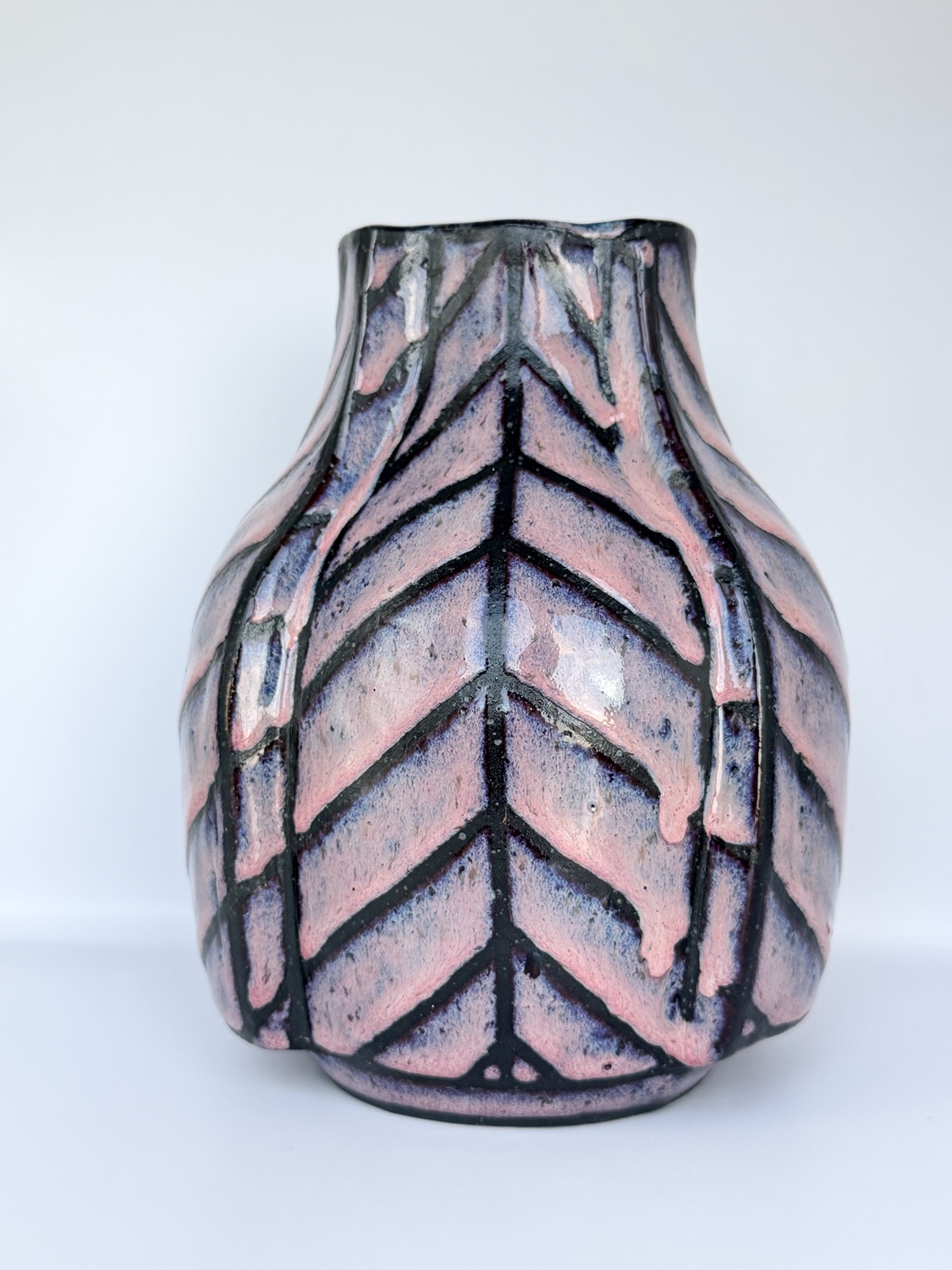
You brought up… Perfectionism. Sometimes the problem isn’t the piece, it’s the standard you’re holding it to.
So when you care deeply about something that you’re making, you tend to have your standards higher than what they would be for other things. And with ceramics, pieces take a long time. So you put a lot of time into a particular piece. And when it’s not perfect or how you imagine it, then perfectionism kicks in and you get disappointed.
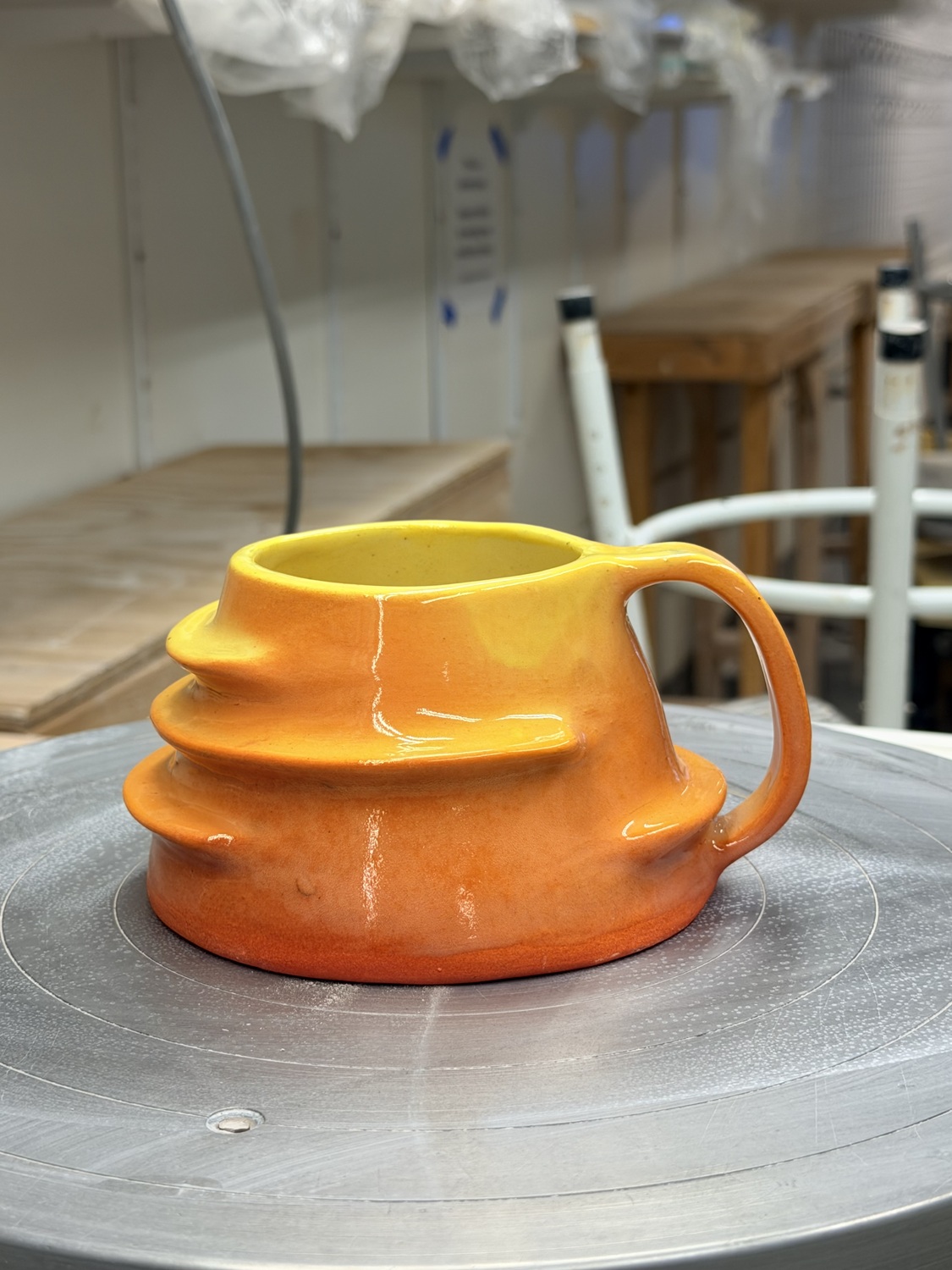
Then you mentioned… The distance factor. You might need distance, not a better piece.
For different reasons. When we finish a piece shortly after finishing it, we are still emotionally connected to that piece. As time goes by, we stop being so emotionally connected with it and we start seeing it from a different point of view or a different angle. So give it time.
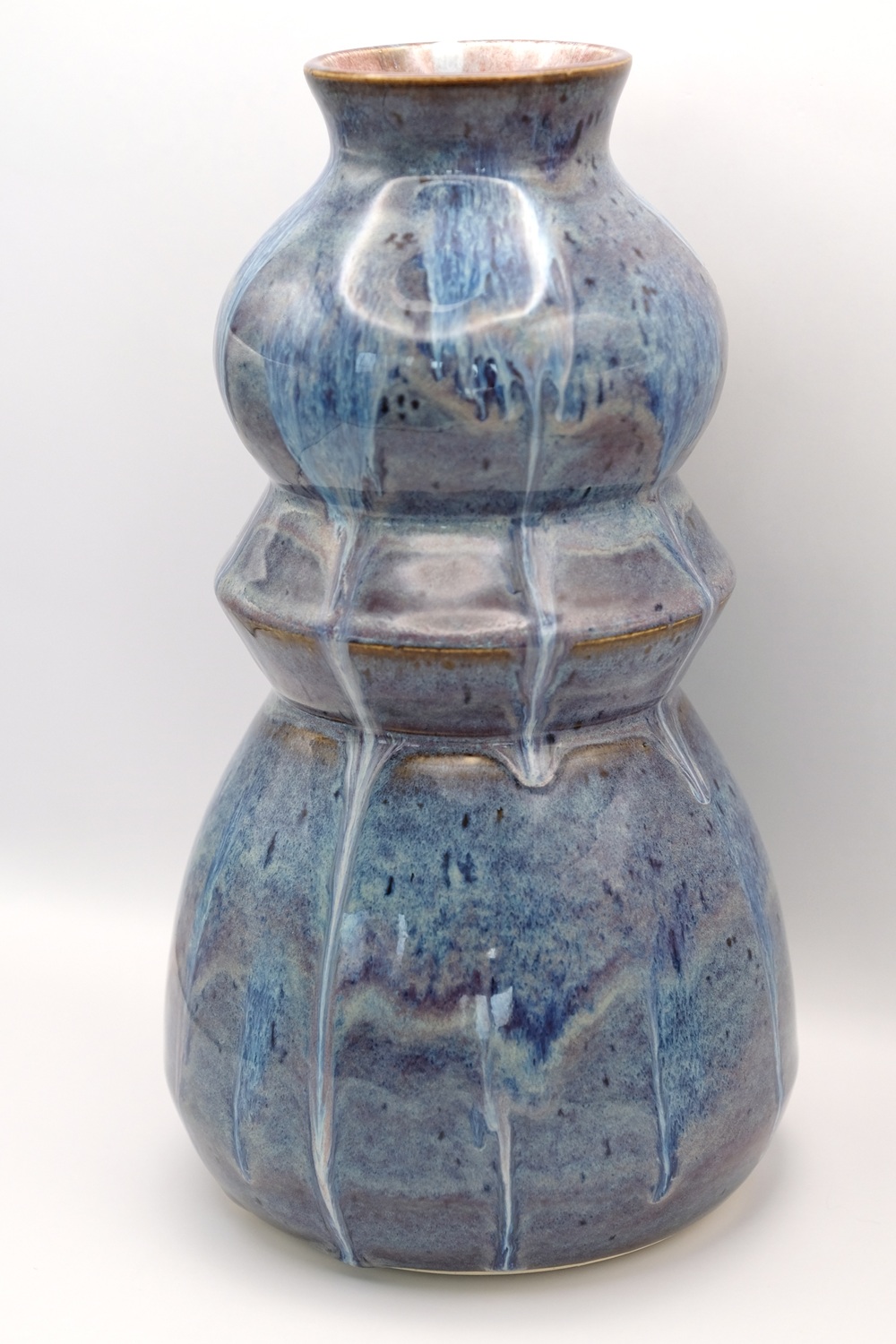
Next came… The reframe. A piece can be beautiful without being exactly what you imagine.
In my mind is to try to embrace those imperfections. You know, those imperfections make the piece too. So embracing the imperfections and recognizing that, you know, the piece may not be perfect. but it’s good enough, may be helpful because next time when you try to do the same piece, it may come back or it may come out a little bit better.
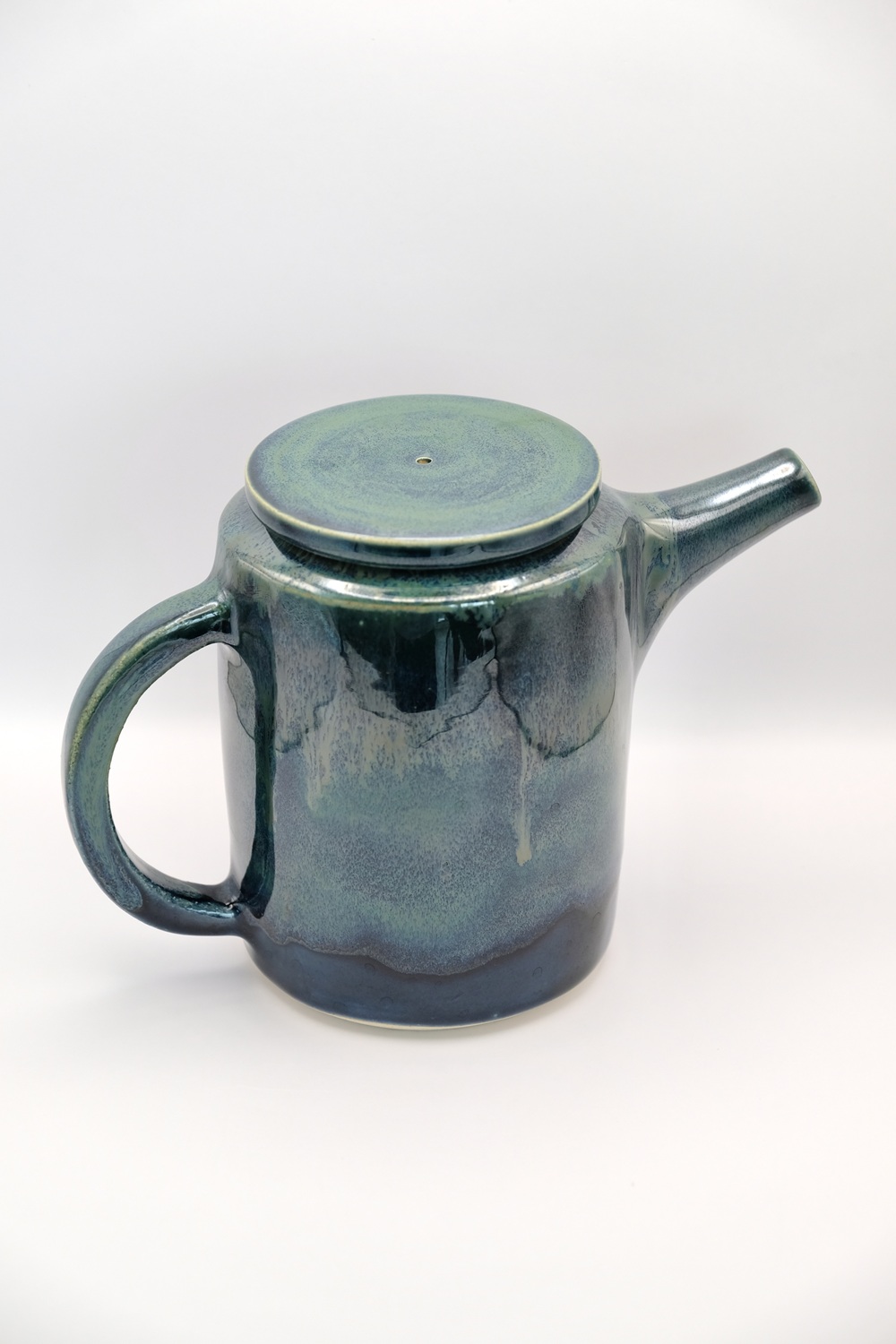
Here’s the last idea you mentioned in your post… The takeaway, maybe you don’t hate your pottery. Maybe you’re just too close to it to see it clearly.
When you are, let’s say you go to a market and you are putting your pottery to be sold, people may approach your table and tell you how beautiful things are. That to me is the perfect example of art. People are appreciative of what you did and it helps you also recognize that maybe you don’t hate it as much as you did, that it’s actually good, that it’s beautiful. and that when you take some distance from the piece, you may start to love it a little bit more.
Book

The Molecule of More by Daniel Z. Lieberman MD and Michael E. Long
Contact
Instagram: @hechoamanoceramics