Podcast: Play in new window | Download
Amy Joy Hosterman | Episode 1268
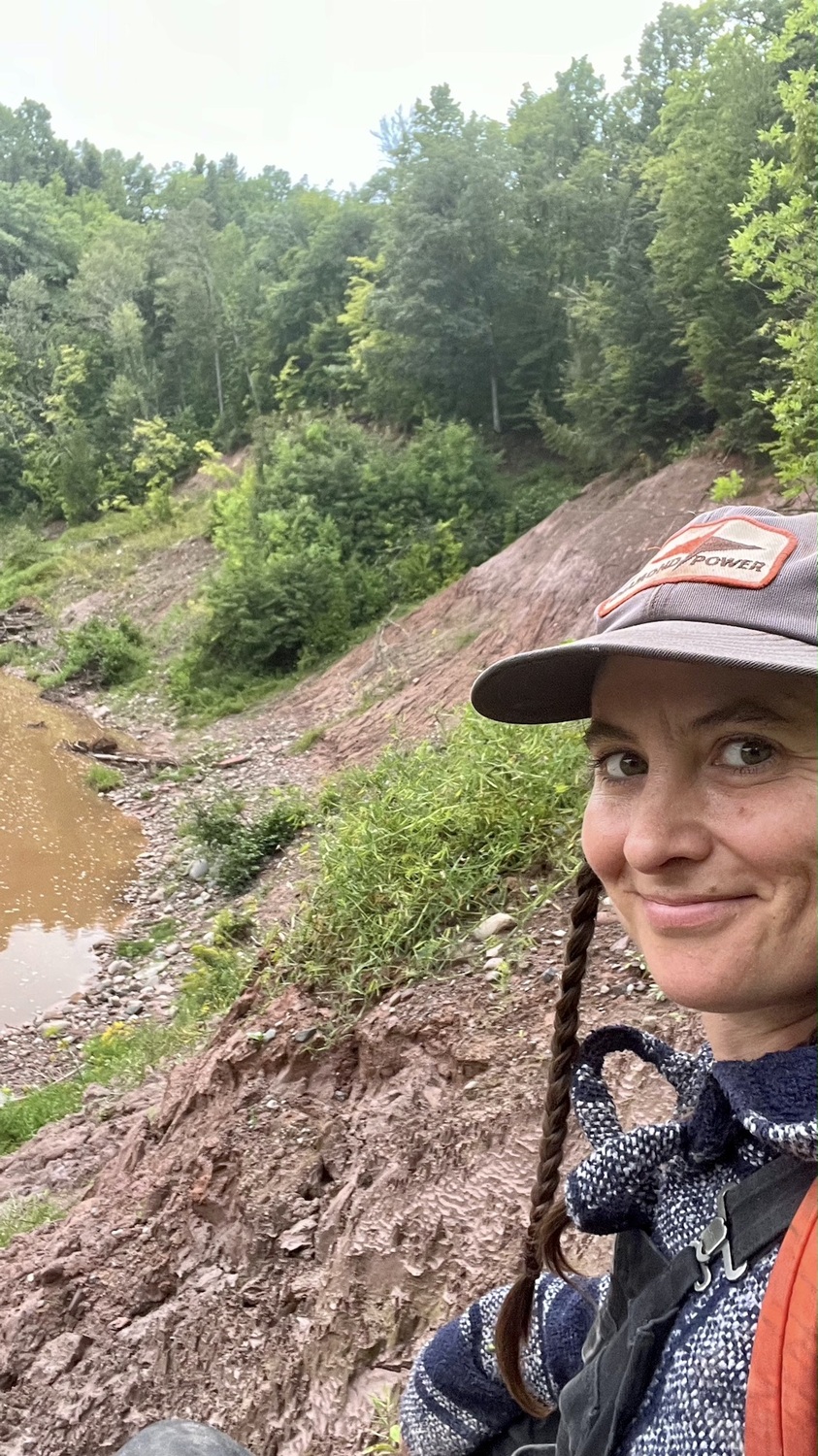
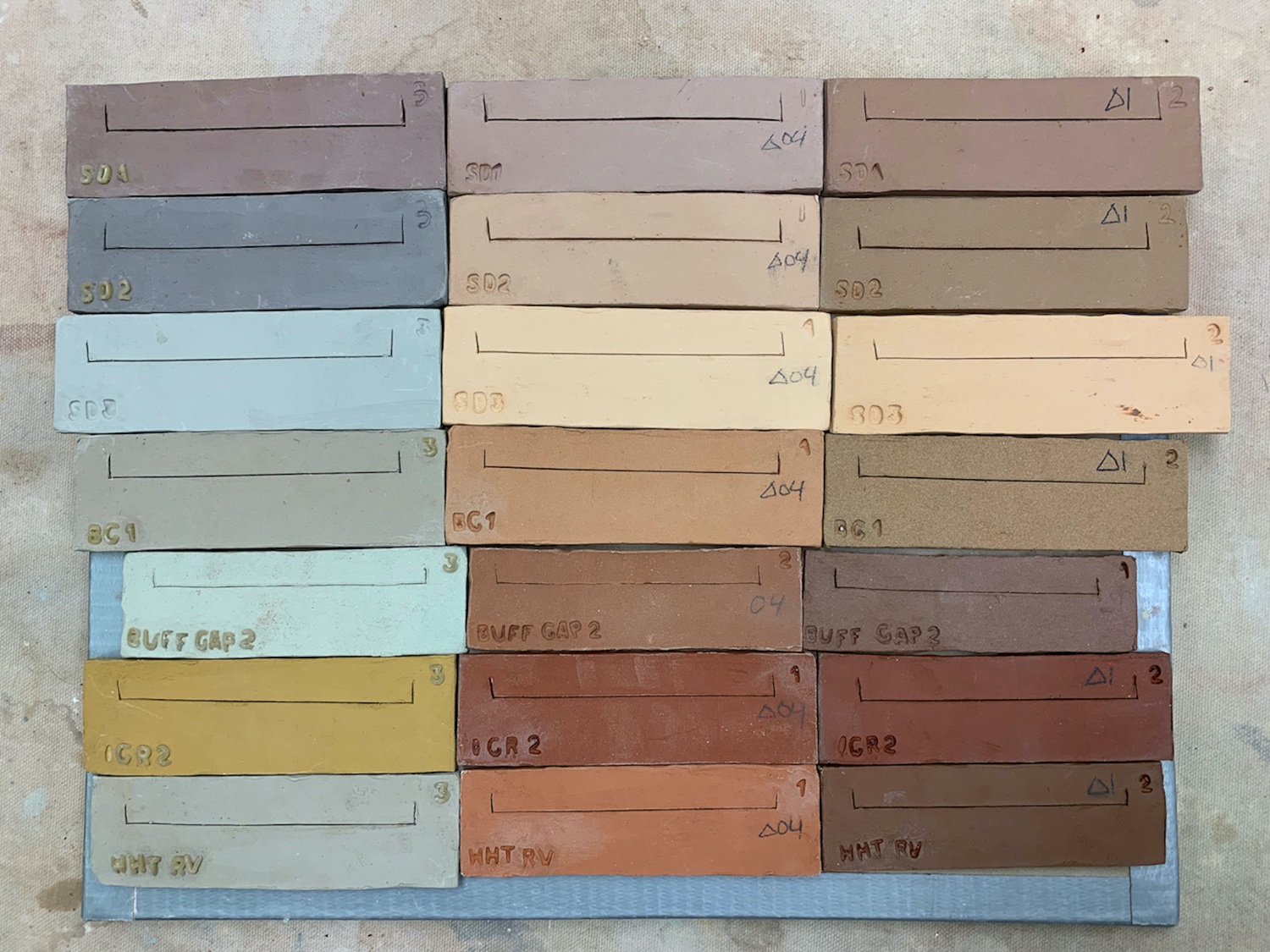
Amy Joy Hosterman is the maker behind Stinky Cheese Ceramics in Loveland, Colorado, and has been traveling across the country researching, creating, and teaching with wild clays since stumbling on her first deposit in the UP of Michigan in 2013. There, Amy co-founded the Visitor Center Artist Camp, where she adventures each summer to teach others how to harvest, process, and fire their own wild clays.
Clay Call
 Lets hear from YOU! Click HERE.
SPONSORS
 You can help support the show!
 GRPotteryForms.com


Number 1 brand in America for a reason. Skutt.com

For all your ceramic needs go to Georgies.com

If I’m walking out through the woods, through the fields, down by a stream… how do I know when I’ve found a good source of clay?
The best way to know that it’s clay is that it will feel like clay. So really just getting a handful of the dirt wet. And if it doesn’t dissolve away all sandy, if it sticks to itself and creates a shape, then you’ve got clay.
Are there specific places that feel like they’re more reliable results for finding clay? Like water riverbeds, ancient riverbeds… Is that the place you would go towards?
Yeah, I tell people to start by following the water. So clay travels in water and the smaller particles will go the farthest in the slowest moving water. So if you can get to the bottom of an ancient lake bed or something like that where the water was moving really slowly, then you’re likely to have a really good fine particle clay.
How much does the geographical location impact the type of clay?
The geology of the area will, I suppose, impact the clay pretty much 100%. Depending on how the clay was deposited, its characteristics will be quite different. So the particle size depending on how fast, if it was moving in water, depending how fast the water was moving, and the parent rock that it came from will all affect the characteristics of the clay. So really every place will be different, quite unique.
If you find a good source of clay today and you go back to that same place tomorrow or next month, does each portion of it need to be retested?
No, that’s a good question. If the clay deposit seems really consistent, if you can get your eyes on it and see that it looks pretty consistent across the seam of clay, or if you take a couple samples, I guess it would just be working with it a little bit to see. Some deposits will be quite varied and some will be a lot more consistent. So you’d have to kind of pick around at it and see.

How much testing do you actually do before you commit to making work with it?
I used to do a lot of testing before making pots with any certain clay, partly I think because I do just like to do a lot of testing. But now I like to try to include a couple pots in my test. So not spending too much time on just the test tiles, but going ahead and making some pots right away with it and seeing how they work out and at least keeping them around my kitchen for a while to see if they pass the test of use.

When you collect clay from various areas, does it make you want to make specific work to fit that clay?
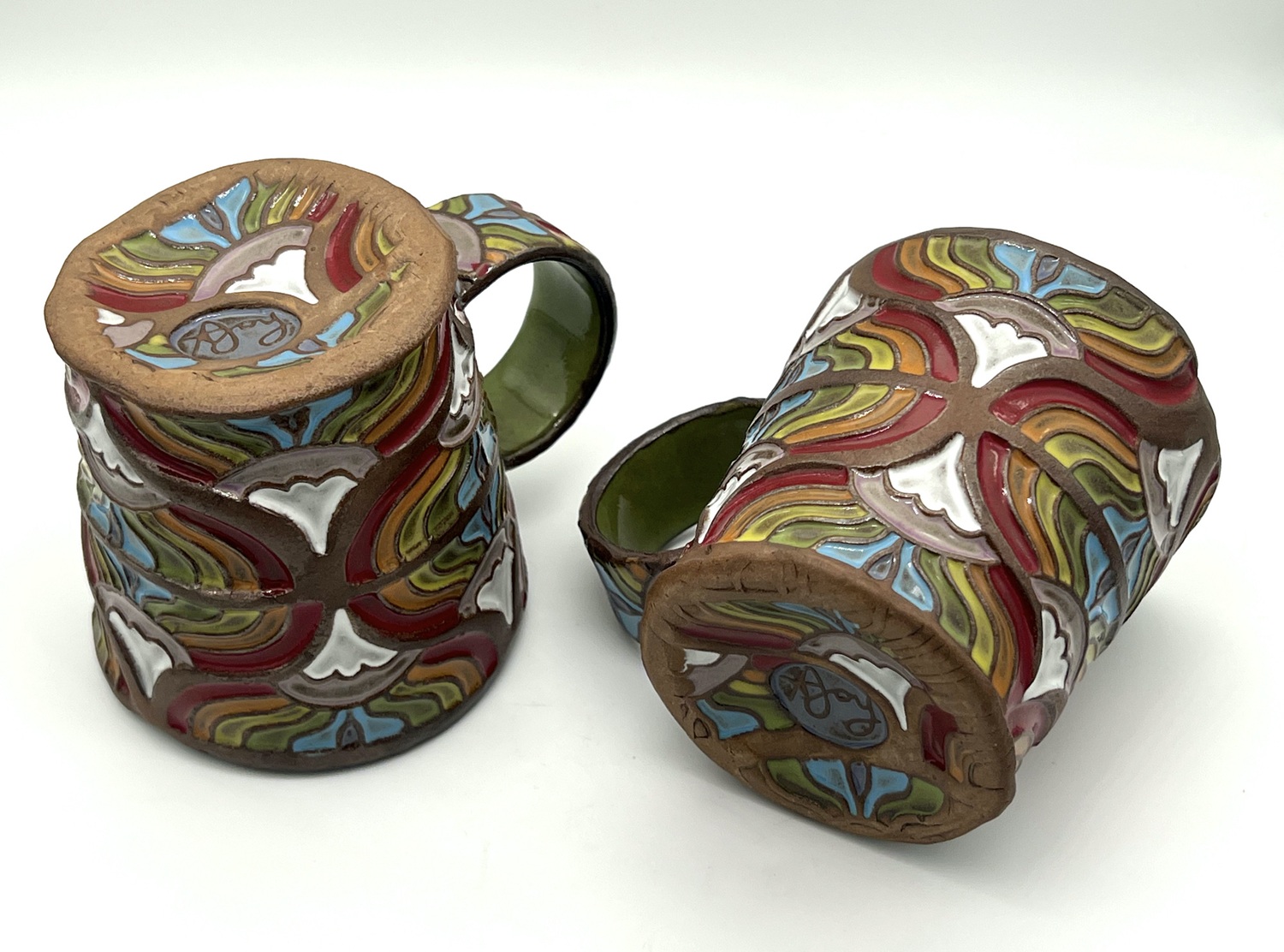
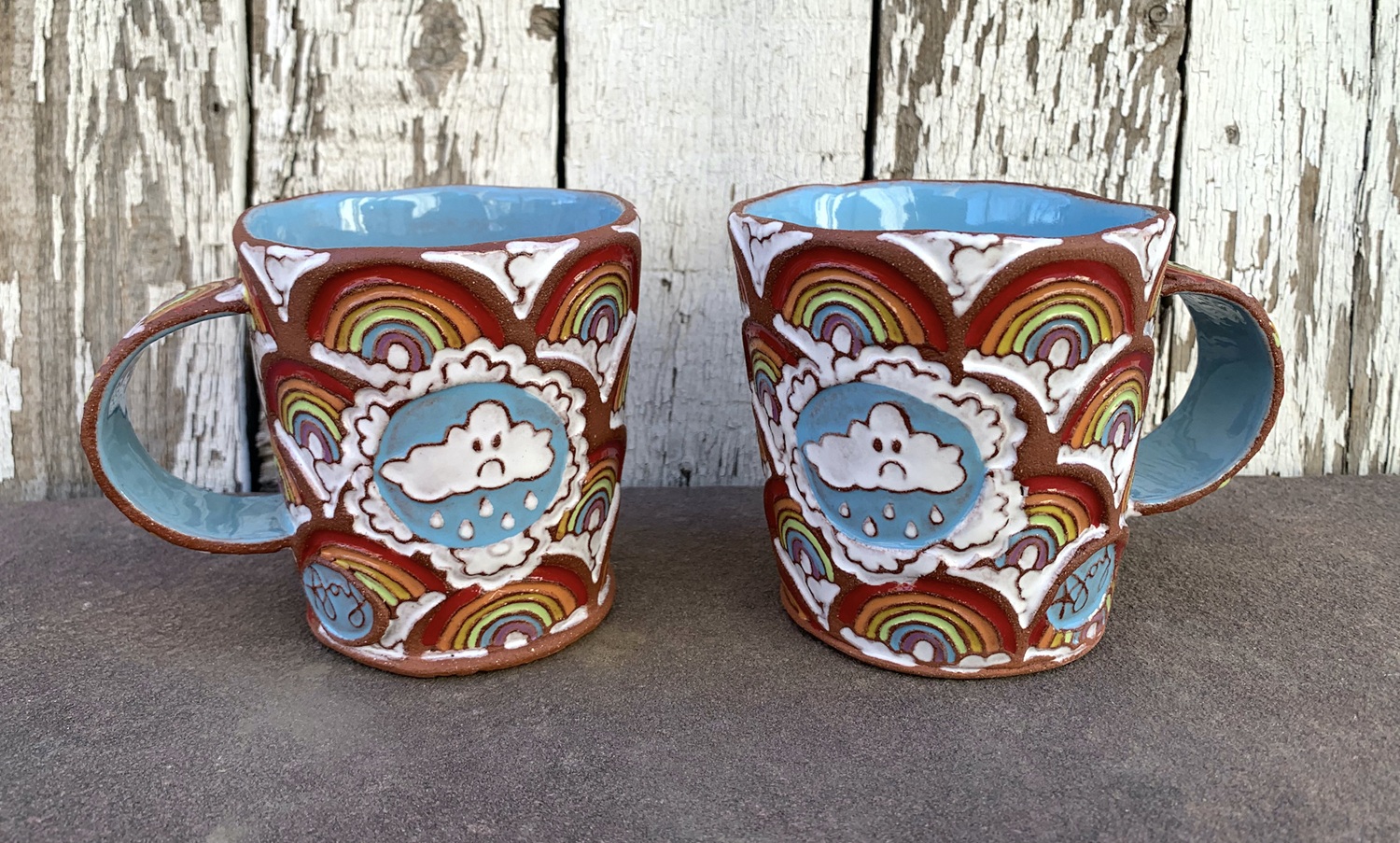
Yeah, this is actually something I’ve been actually thinking about recently. Because if I want to do just one style of pottery and I try all these different kinds of clay, there are definitely some clays that do not like to be slab rolled and stamped out all flat and then tried to make into a cylinder after that. There’s some clays that are quite plastic and will let you do that to them. And so it’s been kind of– I’ve been kind of just making what I want to make and using different clays and definitely being inspired by the area to make something themed around that area and the kind of journey it took. But more and more, I actually do want to, I think, make allow the clay to tell me kind of what it’s going to make. Like what of my whole plethora of things that I might want to make will actually work well with that clay. And so if it’s like slab building versus throwing or even like thematically sort of urban city kind of, narrative scenes versus a very natural outdoorsy kind of look to the pottery. I’m going to, I’ve got kind of plans to let it start leading the way a little bit more because it does kind of call to certain things like different clays will, yeah, they definitely have modes of making that they prefer. And then also just the story behind them too. I like to allow that to guide me as well. So like I collected clay during a solar eclipse a couple years ago down in Texas. And so that clay is quite magical. It has the solar eclipse magic in it. So I like to make kind of celestial themed pots out of that clay. So that kind of thing. And kind of let them lead a little bit more.

Book

Roadside Geology of Colorado by Felicie Williams and Halka Chronic
Contact
Instagram: @stinkycheeseceramics